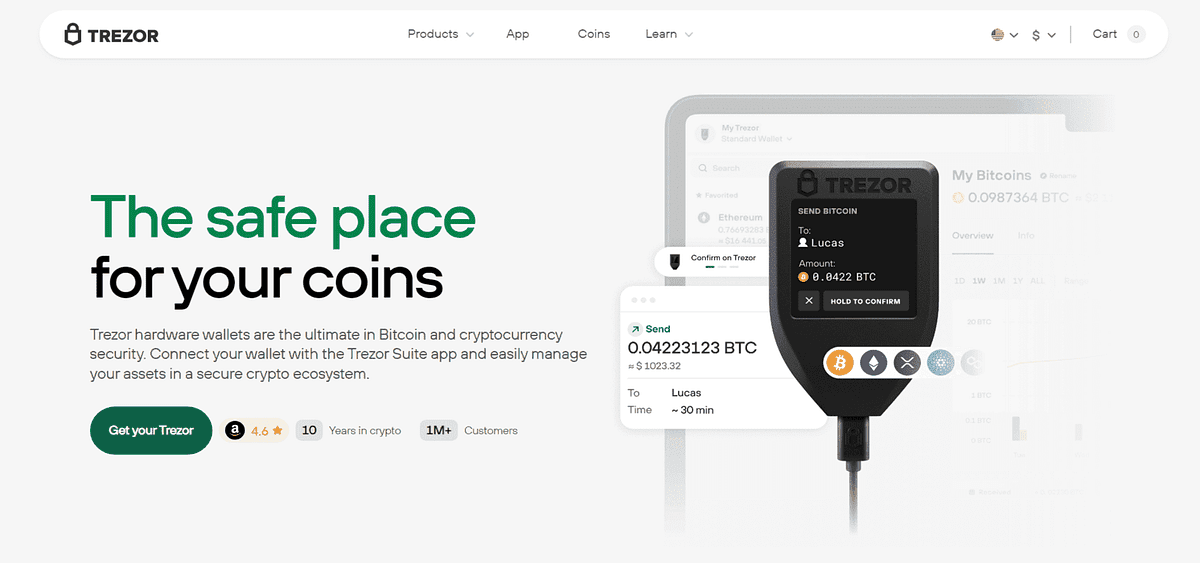
Trezor.io/start: A Complete Guide to Getting Started with Trezor
Trezor.io/start is the starting point for setting up and managing a Trezor hardware wallet. A hardware wallet is a physical device designed to keep cryptocurrency private keys isolated from an internet-connected computer or phone. For new users, the setup process is important because it establishes the security foundation for future cryptocurrency transactions.
When using Trezor.io/start, always make sure you are visiting the genuine Trezor website. Avoid links received through unsolicited emails, social media messages, advertisements, or unknown websites. Never enter your wallet recovery information into a website or share it with another person.
What Is Trezor?
Trezor is a hardware wallet brand designed to provide an additional layer of security for cryptocurrency ownership. Instead of keeping sensitive wallet information exposed on a computer, a Trezor device stores and protects important cryptographic information on the physical device. Transactions can then be reviewed and approved using the device.
A hardware wallet does not technically store coins inside the device. Cryptocurrency remains recorded on its respective blockchain, while the wallet protects the private keys used to authorize transactions. This distinction is useful for anyone learning how cryptocurrency wallets work.
Why Use Trezor.io/start?
The Trezor.io/start page provides an official starting point for the device setup process. It can help users understand how to connect their hardware wallet, install or access the appropriate wallet software, initialize the device, and follow security recommendations.
Using official setup instructions is preferable to relying on unofficial guides because cryptocurrency security depends heavily on correct handling of recovery information and device authentication. A small mistake during setup can create unnecessary security risks.
Before Starting Your Trezor Setup
Before beginning, inspect the device and its packaging for anything unusual. Use a trusted computer or mobile device and make sure its operating system and security software are reasonably up to date. You should also have a secure location available for writing down your recovery information.
Your recovery information is particularly important. It can be used to restore access to a wallet if the hardware device is lost or damaged. Because of this, it should never be photographed, stored in an online document, emailed, or copied into a cloud-storage account.
How to Begin at Trezor.io/start
Open your browser and manually enter the official Trezor setup address rather than following an unknown link. Follow the instructions presented for your specific Trezor device. The exact screens and available features may vary depending on the device model and current Trezor software.
Connect the hardware wallet as instructed and allow the official software to recognize it. During setup, you may be asked to create or confirm security settings. Read each prompt carefully instead of accepting unfamiliar instructions automatically.
Creating or Restoring a Wallet
Depending on your situation, you may initialize a new wallet or restore an existing wallet. If you are creating a new wallet, the device will guide you through generating recovery information. Write the words down exactly as instructed and keep them in the correct order.
If you are restoring an existing wallet, be extremely careful when entering recovery information. Never provide your recovery words to customer support, another individual, or an untrusted website. Anyone who obtains the recovery information may be able to access the associated cryptocurrency assets.
Protecting Your Recovery Information
The recovery phrase is one of the most important parts of a self-custody wallet. Treat it like a master backup rather than an ordinary password. Store it somewhere private and protected from unauthorized access, fire, water, and accidental loss.
Trezor or another legitimate support representative should not need you to disclose your recovery words. If a website, message, or person asks for them to “verify” your account, treat the request as a potential scam and stop the process.
Setting a Device PIN
A compatible Trezor device may allow you to configure a PIN to protect access to the hardware wallet. Choose a PIN that is difficult for others to guess and do not share it with anyone. Follow the device's current instructions carefully because the exact PIN process can differ between models and software versions.
Checking Cryptocurrency Addresses
One advantage of using a hardware wallet is that important transaction details can be reviewed on the device before approval. When receiving cryptocurrency, compare the address displayed by the wallet software with the address shown on the hardware wallet when supported. This helps reduce the risk of malware replacing an address during a transaction.
Always verify the cryptocurrency network and address before sending funds. Cryptocurrency transactions are generally irreversible, so sending assets to an incorrect address or incompatible network can result in permanent loss.
Trezor Security Best Practices
- Use the genuine Trezor website and official software.
- Keep your recovery information private and offline.
- Never share your recovery words or PIN with anyone.
- Verify transaction details on the hardware device before approving them.
- Be cautious of fake support accounts, phishing websites, and unsolicited messages.
- Keep wallet software and device firmware updated through official channels.
- Double-check cryptocurrency addresses before confirming transactions.
Recognizing Trezor Phishing Scams
Cryptocurrency users are frequently targeted by phishing attacks. A fraudulent website may imitate the appearance of an official wallet page and ask for sensitive information. Some scams use urgent warnings claiming that a wallet must be “verified,” “synchronized,” or “unlocked.” These messages are designed to make users act without thinking.
Do not enter your recovery phrase into an unfamiliar webpage. Instead, close the suspicious page and navigate to the official Trezor website directly. Checking the domain name carefully is an important habit whenever you access a cryptocurrency wallet.
Managing Your Wallet After Setup
After the initial setup is complete, you can use the supported Trezor wallet software to view accounts, receive cryptocurrency, and initiate transactions. Take time to become familiar with the interface before transferring significant amounts of cryptocurrency.
For larger transactions, consider sending a small test transaction first. Confirm that the recipient receives the funds correctly before transferring a larger amount. This simple precaution can help identify address or network mistakes before they become expensive problems.
What to Do If Your Trezor Is Lost
If the physical device is lost, access to the wallet can generally be restored on a compatible wallet using the correct recovery information. This is why securely maintaining the recovery backup is so important. However, recovery information should only be entered into a trusted wallet environment and never disclosed to another person.
Conclusion
Trezor.io/start provides a useful starting point for users setting up a Trezor hardware wallet. The most important part of the process is not simply connecting the device, but understanding how wallet security works. Keep recovery information private, use official software, verify addresses and transaction details, and remain alert to phishing attempts. By following careful security practices from the beginning, users can establish a safer foundation for managing cryptocurrency through a hardware wallet.